
… It Might Be Plantar Fasciitis
Do you experience pain at the bottom of your heel or in your arch that just won’t go away? Is it stopping you from doing the things you love? It could be plantar fasciitis, a common problem that affects people of all ages, shapes, and sizes.
Plantar fasciitis occurs when the thick band of tissue called the plantar fascia, which runs through the arch at the bottom of your foot, gets overstretched and inflamed. This can cause crippling pain in your heel or arch. If your pain is at the back of your heel, it could be a condition known as Achillodynia or Achilles tendinosis/tendinitis, which we’ll cover in a later blog.
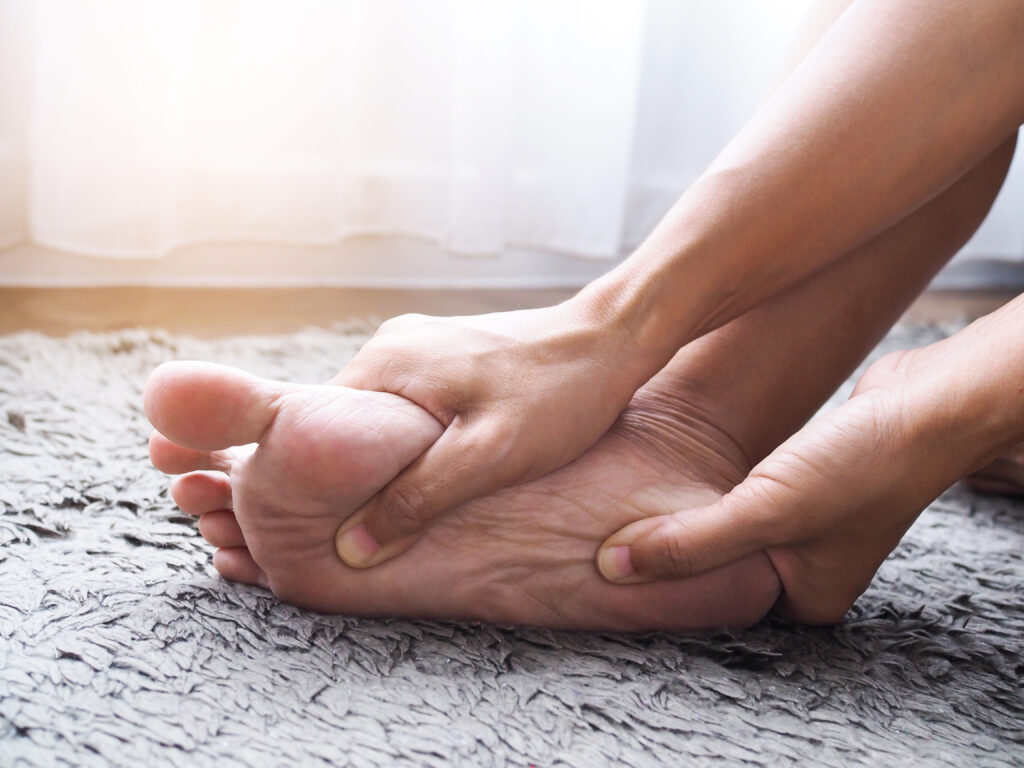
What Causes Plantar Fasciitis?
Plantar fasciitis happens when the plantar fascia becomes overstretched. Several factors contribute to this, including:
- Flat feet or high arches: Both can put extra stress on the plantar fascia.
- Tight calf muscles: These can pull on your heel, causing the fascia to overstretch.
- Uneven leg lengths: One foot may have to work harder than the other.
- Poor footwear: Shoes that don’t properly support your feet can lead to plantar fasciitis.
Sometimes, an x-ray reveals a heel spur, but your pain is often mistakenly blamed on it.
What Is a Heel Spur?
A heel spur is a small bony growth on the heel, caused by the plantar fascia pulling too much on the heel bone. The spur itself doesn’t cause pain—many people have heel spurs without any discomfort. The real pain comes from inflammation in the plantar fascia. Once the inflammation subsides, the spur remains, but the pain will be gone.
Heel Pain in Pregnancy
During pregnancy, heel pain occasionally occurs due to changes in the feet caused by increased estrogen levels. Estrogen loosens ligaments in the pelvis to prepare for delivery, and it can also loosen the ligaments in the hands and feet, causing the feet to spread and putting extra stress on the plantar fascia. Weight gain during pregnancy may amplify this effect. The treatments for plantar fasciitis remain the same during pregnancy.
How Can You Treat Plantar Fasciitis?
Treating plantar fasciitis focuses on reducing inflammation and addressing the cause of the overstretching. Here are some effective treatments:
- Footwear: Supportive shoes can make a significant difference.
- Exercises: Stretching your calf muscles and plantar fascia helps.
- Local icing: Apply ice to the inflamed area for 10 minutes at a time, followed by a ten-minute break. This not only numbs the area temporarily but also stimulates blood flow, aiding healing.
- Orthotics: Custom-made shoe inserts can support your feet and reduce stress on the plantar fascia. Addressing the root cause prevents the problem from recurring.
- MLS Laser Treatment and Steroid Injections: Both can reduce inflammation and pain.
- Shockwave Therapy: This advanced treatment, ideal for resistant cases, reduces pain and regenerates tissue in the plantar fascia.
- Pain Relief: Anti-inflammatory medications can help but should be used alongside other treatments.
Why Does It Hurt So Much After Rest?
Inflammation leads to fluid buildup, similar to how a mosquito bite swells. While you’re resting, fluid accumulates around your heel. Since the skin on your heel is thick and doesn’t stretch easily, standing up creates pressure from the trapped fluid, causing pain. As you walk, the pressure pushes the fluid out, relieving some of the pain. If your heel pain worsens in the morning, this buildup is likely the cause. As inflammation decreases, you’ll notice less pain when standing up and throughout the day, a sign of healing.
When to See a Chiropodist?
A chiropodist specializes in foot care and can pinpoint the cause of your plantar fasciitis. When heel pain stops you from walking or running, it’s affecting your quality of life. Successful treatment depends on addressing the root cause of the problem. A chiropodist can recommend treatments best suited to you, create custom orthotics, and prescribe medication to manage pain and inflammation. You can return to your normal activities sooner and pain-free by addressing the underlying issue.
Act Now!
Don’t let heel pain slow you down. Get your feet checked by a chiropodist to find out what’s causing your pain and how to fix it.