
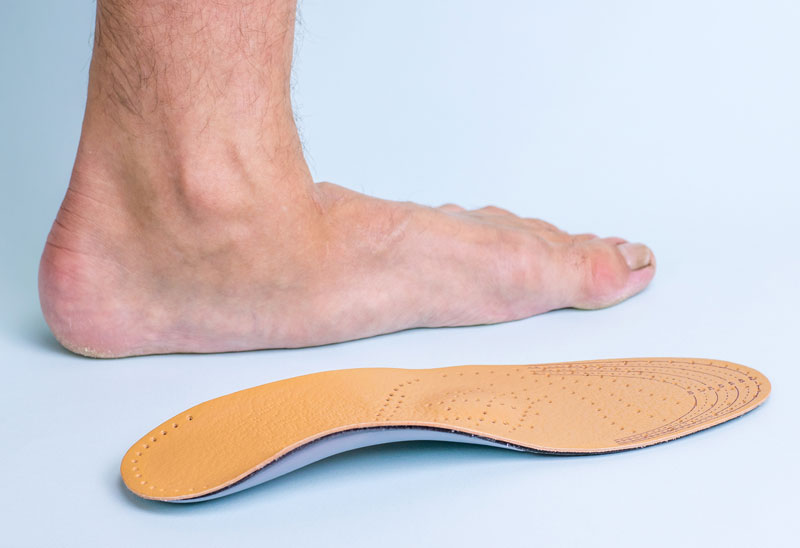
Flat feet, also known as pes planus, is a condition where the arches of your feet have collapsed inwards. This can cause a variety of symptoms, but many people with flat feet experience no problems at all. Today, we will explain what flat feet are, the symptoms you might experience, and potential solutions.
What are Flat Feet?
The arch of your foot is a natural curve formed by bones and ligaments. In people with flat feet, this arch is either very low or completely flat, weight-bearing and non-weight-bearing. This must be differentiated from feet that have a distinct arch when non-weight bearing, but it disappears when standing. In this case, the feet are compensating for something outside of the feet, and the source of the problem is elsewhere. True flat feet can affect the way your weight is distributed across your foot and cause abnormal mechanics and poor shock absorption, all potentially leading to pain and discomfort.
Symptoms of Flat Feet
While some people with flat feet experience no symptoms, others may have:
- Pain in the arch, heel, ankle, knees or lower back.
- Fatigue in your feet and legs
- Difficulty balancing
- Aching or cramping in your feet
- Excessive Inward rolling of the ankles and heels (overpronation)
Do Flat Feet Require Treatment?
Not everyone with flat feet needs treatment. However, if you’re experiencing symptoms that interfere with your daily activities, there are solutions available.
Solutions for Flat Feet
There are several ways to manage flat feet and alleviate discomfort, including:
- Supportive Shoes: Choose shoes that are firm around your heels (to hold your heels and feet straight), and that don’t twist through the middle (firm midsole). Arch support and cushioning can help to distribute your weight more evenly.
- Stretching and Strengthening Exercises: There are specific exercises that can help improve flexibility and strength in your feet, ankles and calf muscles.
- Weight Management: Maintaining a healthy weight reduces stress on your knees, ankles and feet.
- Custom Orthotics: Custom orthotics are shoe inserts specifically designed for your feet and legs. They provide targeted correction and support for your feet and arches and can significantly improve comfort and function.
Important Note About Orthotics:
It’s important to understand that orthotics won’t change the underlying bone structure of your adult foot. They won’t, for example, create an arch where there currently isn’t one. However, over time, improved muscle function facilitated by orthotics can slightly alter the foot’s shape and improve its overall mechanics.
Think of orthotics like prescription eyeglasses for your feet. They address the problem while you’re wearing them, providing support and improving alignment.
Seeking Professional Help
Even if you’re currently not experiencing symptoms, a Chiropodist can evaluate your feet and advise on preventative measures. Early intervention can be beneficial in preventing future problems.
If you experience pain, fatigue, or limitations in your activities due to flat feet, schedule an appointment with a Chiropodist. They can assess your individual situation and recommend the best course of treatment, including custom orthotics if needed.