
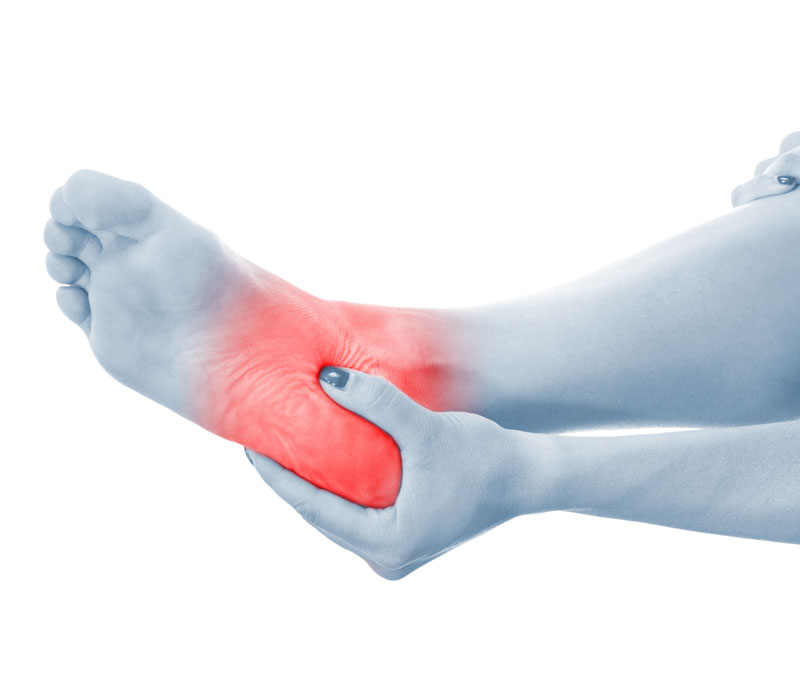
Heel pain is a prevalent issue that affects people of all ages. While often debilitating, it’s treatable with proper diagnosis and treatment. The most common causes of heel pain and the path to recovery are covered below.
Understanding Heel Pain: Beyond the Plantar Fasciitis Myth
Whether diagnosed as plantar fasciitis or a heel spur, the central cause of heel pain is excessive stretching of the plantar fascia, a ligament supporting the arch of your foot. This stretching leads to pain in the main arch (medial longitudinal area) and the heel itself. In some cases, associated conditions like Achilles tendonitis or knee pain may arise.
Here’s an important point: the “heel spur” often seen on X-rays isn’t the cause of the pain, but rather a consequence of ongoing stress on the plantar fascia. Addressing the inflammation resolves the pain, even though the spur might remain visible.
What Causes Excessive Stretching?
The root cause of this stretching varies from person to person. Identifying the specific cause is crucial for effective treatment. While visual evaluation can reveal excessive pronation (inward rolling of the foot), there are other biomechanical factors at play. The feet are complex structures containing ¼ of the body’s bones. Special training in biomechanics is necessary to appropriately assess the causes and determine the appropriate treatment(s).
Treatment Options: Addressing the Root Cause
Simply adding an arch support or heel pad may not be the answer for everyone. In some cases, the symptoms might even worsen. A Chiropodist, a foot specialist, is trained to thoroughly assess your foot mechanics and recommend appropriate treatment options. This may include:
- Footwear: Recommendations on shoe types or characteristics that will provide optimal support for your specific needs.
- Exercises: Stretching and strengthening exercises to improve flexibility and stability.
- Custom Orthotics: Custom-made inserts designed to address your unique biomechanical abnormalities, maximize the efficiency of your foot function, and reduce stress on your ankles, knees, hips, and lower limbs.
Advanced Treatment options
In addition to the traditional approaches, your Chiropodist may also consider incorporating some of these advanced therapies:
- Shockwave Therapy: This non-invasive treatment utilizes high-energy sound waves to stimulate blood flow, promote healing, regenerate tissue and potentially break down scar tissue in the plantar fascia.
- MLS Laser Therapy: Multisource Laser Therapy utilizes concentrated high-intensity light energy to reduce inflammation and pain, potentially accelerating the healing process in the affected tissues.
Symptomatic Relief vs. Long-Term Solution
Treatments like pain relievers, cortisone injections, laser therapy (not just MLS), and ultrasound can offer temporary relief. However, if the underlying cause isn’t addressed, the pain is likely to return. Think of it as patching a leaky bucket; it might hold for a while, but a permanent solution requires fixing the hole itself.
By understanding the root cause of your heel pain and following a treatment plan that addresses it, you can find lasting relief and get back to enjoying an active life. Remember, consulting with a Chiropodist is vital to determine the most appropriate course of treatment for your specific case.