
Ingrown Toenails
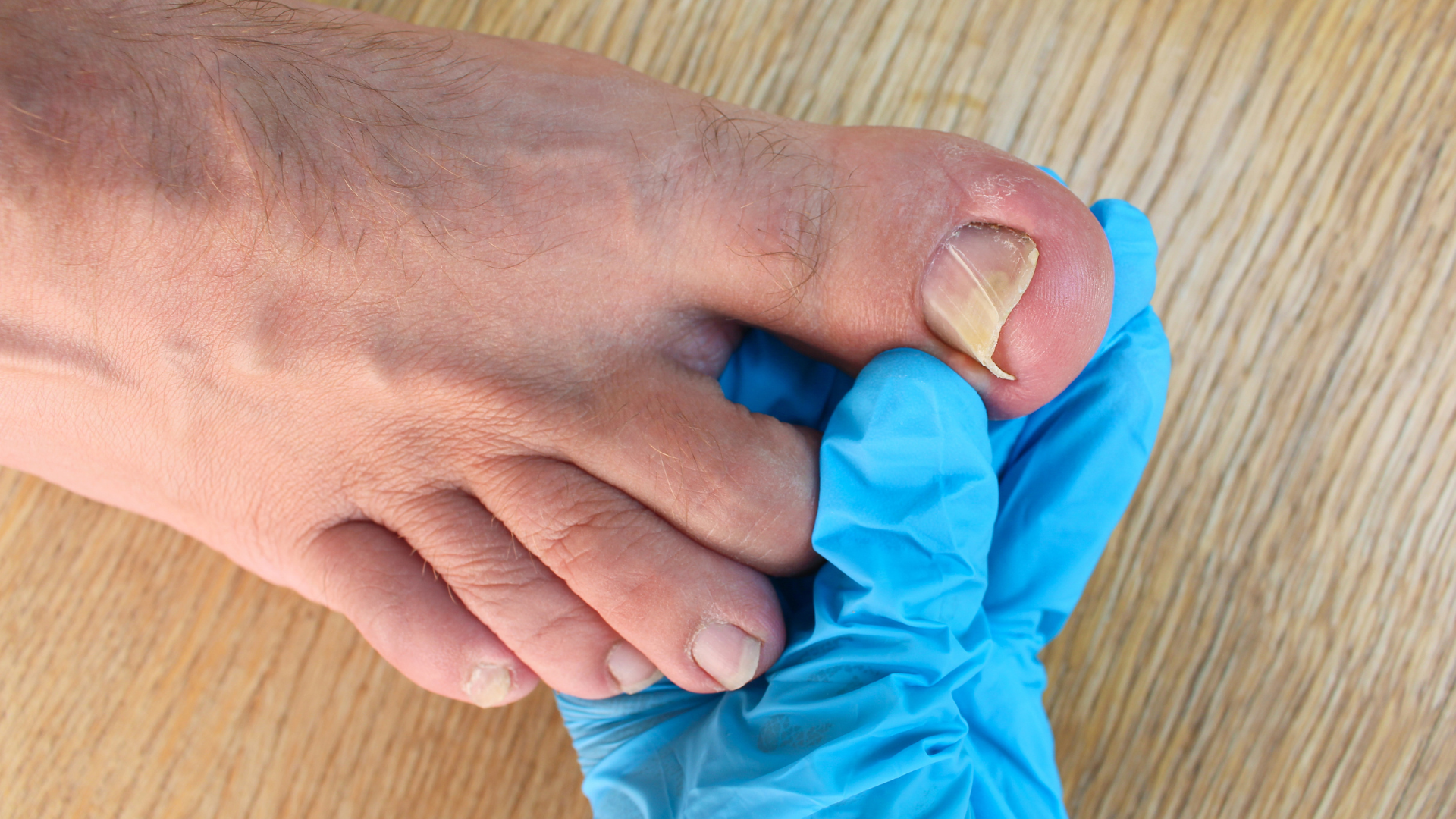
Ingrown toenails occur when the side or corner of a toenail grows into the soft skin
around it instead of over it, resulting in pain, swelling, and sometimes infection. This
usually happens on the big toe but can occur on any toe. Sometimes, the pain is
mistaken for an ingrown toenail but is caused by other issues like improper nail trimming
or pressure from tight shoes.
Causes
The most common cause of ingrown toenails is cutting the nails improperly. Cutting toenails too short or not straight across can cause them to grow into the skin, leading to pain on the side of the toenail and potentially an infection.
Cutting down the sides of the nail often leaves a sharp spike or rough edge that grows into the skin as the nail grows forward, causing symptoms like a painful toenail edge and swelling around the nail.
Soft, tender skin (common in teenagers and people who perspire a lot) and thin, sharp nail plates are a perfect recipe for ingrown toenails.
Wearing shoes that are too tight or narrow in the toe box can push the toenails into the skin, leading to a nail digging into the toe skin and causing discomfort.
Injuring the nail, such as stubbing your toe, can also result in an ingrown toenail.
Additionally, some people naturally have more curved (known as involuted) toenails, which are more likely to become ingrown.
It’s also worth noting that ingrown toenails can sometimes be hereditary, meaning that if your parents had them, you might be more prone to developing them too.
Signs and Symptoms
- Pain: The area around the toenail may be painful, especially when touched. It often feels like the nail is causing pain on the side of the toe.
- Redness: The skin around the toenail may look red and inflamed, making the area red and sore around the toenail.
- Swelling: The toe might swell up, and the area could feel warm.
- Infection: With every ingrown toenail, there is the risk of a toe infection near the nail. If the toe gets infected, you might see pus, notice a bad smell, and experience, redness, swelling and/or pain.
How It Can Affect the Feet
- Discomfort/Pain: Walking, wearing shoes, or even just touching the toe can be painful, especially if the toenail is growing into the skin.
- Infection: If not treated, an ingrown toenail can become infected, but your symptoms might not be limited to the toe swollen around the nail. Untreated, it can result in more serious problems, such as cellulitis (tissue infection) and blood poisoning (septicemia).
Treatments
- Soaking the Foot: Unless you have diabetes, soaking the foot in warm water (with salt or Epsom salts) can help reduce swelling and pain. Make the water salty, but don’t soak for any more than 10 minutes. Soaking is not recommended for people living with diabetes.
- Proper Trimming: Cutting the toenail straight across and not too short can help prevent the nail from growing into the skin. Avoid cutting into the corners and down the sides of the nail. Sometimes, it’s not what you cut out, but what you leave behind that can cause the problem. Seek professional help if you have trouble managing proper nail care.
- Comfortable Shoes: Wearing shoes that fit well and have enough room for your toes can prevent pressure on the nails. Always measure the shoes when you are standing, preferably at the end of the day, in case your feet swell even a little.
- See a Doctor: In more serious cases, part of the toenail might need to be removed by a healthcare provider. Chiropodists are specially trained to perform various surgical procedures on ingrown toenails, using proven methods to maximize comfort and minimize healing times. At The Foot Advantage we can help you!
Can Ingrown Toenails Heal Themselves?
In some cases, mild ingrown toenails can heal themselves if proper care is taken. This includes keeping the area clean, avoiding tight shoes, and allowing the nail to grow out naturally without further irritation. However, if the condition persists, worsens, or becomes infected, it’s essential to seek professional treatment to avoid complications.
See a Chiropodist
Chiropodists are specially trained and have specialty tools to treat ingrown or painful toenails that are not ingrown. The Chiropodist can determine and meet your unique needs. Sometimes, the nail border needs to be filed smoothly, or part of the nail needs to be cut away. If necessary, it can be done under a local anesthetic, and topical or oral antibiotics can be prescribed if appropriate. If the problem is chronic and recurring, surgeries can be performed that prevent the problem part of the nail from ever growing in again.
Don't Let Ingrown Toenails Slow You Down
Ingrown toenails can be painful and disruptive to your daily life. At The Foot Advantage, we understand the discomfort and frustration they cause. We are dedicated to providing effective treatment for ingrown toenails, helping you get back on your feet and feeling your best.
Ready to find relief? Book your appointment today and experience the difference The Foot Advantage can make.